
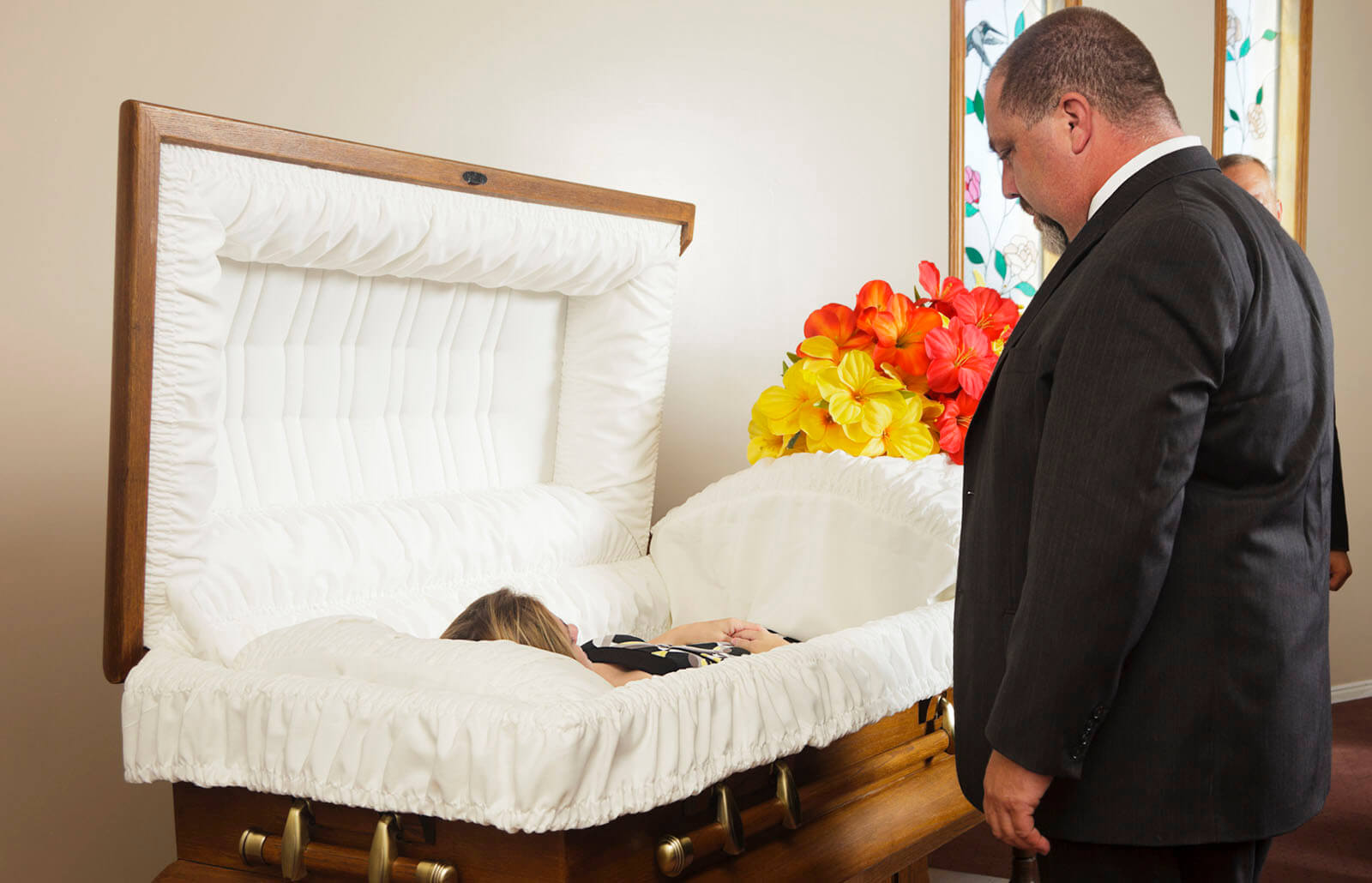
Supporting a grieving family at a funeral starts with small choices that help the day feel calmer and easier to manage. Guest books fill quickly, front rows get crowded, and late arrivals can block the aisle soon after the service begins. Arriving 10 to 15 minutes early, following posted directions, and keeping your phone silent help the room stay calm and keep attention on the family.
Etiquette matters because grieving relatives usually have limited time and energy for extra questions, interruptions, or avoidable confusion. A poorly timed comment, an unplanned photo, or a request for details can create more to manage during visitation or right after the service. The most useful support stays quiet, specific, and easy to receive. Knowing what to say, what to do, and what to avoid can make your presence more helpful from the moment you arrive.
First Moments Matter
Right before the service begins, entry areas can become crowded as guests arrive, sign in, and look for a place to sit. Arriving 10 to 15 minutes early gives you time to sign the guest book, review the service order, and find a seat without drawing attention near the casket, the entrance, or the front rows. Keep movement quiet, follow any posted directions, and avoid stopping to chat in walkways where others need to pass.
A short condolence lands better than a long conversation while the family is greeting guests. If there is a receiving line, keep it moving and save personal updates for another day. If there isn’t, wait for a clear pause before approaching, then step aside so the next person can greet them. When ushers or staff point you to a section, taking that guidance reduces guest confusion and keeps arrivals steady.
Speak With Restraint
Voices carry in chapels and visitation rooms, and families often spend long stretches repeating the same greetings. Keep your message to one or two sentences that can be received without effort, such as “I’m sorry for your loss” or “I’m glad I could be here.” Speak at a low volume, pause to let them respond if they choose, then step aside so they are not held in place.
Personal comparisons and detailed questions tend to put the family in a position where they must explain or reassure. Skip asking how it happened, what the burial plans are, or what things cost, even if you mean well. If you have a memory to share, offer it briefly and avoid turning it into a longer exchange. When you want to help, ask one clear yes-or-no question like if a meal would be appreciated later.
Help in Small Ways
Programs are usually stacked near the entrance, and guests may start looking for restrooms, seating, or the reception area as soon as they arrive. Handing out programs, helping an older guest find an open seat, or pointing someone toward the correct doorway can keep things moving without drawing attention away from the family. Carrying a floral arrangement, framed photo, or memory table item from a car to the display area is another quiet way to ease last-minute pressure.
Coordination matters more than initiative, so check with a funeral director or a close relative before taking on anything that changes placement or timing. Avoid rearranging flowers, moving reserved chairs, or directing guests if staff are already managing traffic, since mixed signals can slow arrivals and create extra questions. Simple tasks work best when they are completed and then you step back, leaving the family free to stay present during the service.
Respect the Family’s Space
Receiving lines can move fast, and family members may be seated together with clear signs that they are not open to extended contact. Watch for cues like folded arms, limited eye contact, or a staff member guiding guests forward before deciding if it is best to speak, offer a hug, or simply nod and step away. Let the family’s tone and any religious customs set the expectation, including if physical contact feels appropriate or if quiet respect is the better response.
Cameras and phones can change the mood of a room, so avoid taking photos unless the family or staff invites it. Skip private questions about the death, family conflict, or burial decisions, even if you think you are being helpful, and do not pull someone aside for a catch-up conversation near the casket or seating area. If you are unsure where to stand or when to approach, follow the funeral director’s pacing and wait for a natural opening.
Support Beyond Attendance
Cards, flowers, and food often arrive in a rush during the service, then slow down once everyone goes home. The days right after can be filled with phone calls, paperwork, and visitors, with little time to shop, cook, or keep up with routines. Practical follow-up like a meal drop-off, a grocery run, child pickup, or pet care helps cover needs that don’t pause just because the funeral is over.
General offers like “let me know if you need anything” can create another decision the family has to make when they are already tired. A clearer approach is to offer one specific task with a time window, like dropping off dinner on Tuesday or taking a dog for a walk after work. Memorial questions may come up later, so offering to help gather photos, locate an obituary link, or share service details can remove a small but real burden today.
Funeral etiquette is most helpful when it lowers the amount of attention, effort, and decision-making the family has to carry during the service. Before you speak or step in, ask if your action will make the next few minutes simpler, quieter, or easier to manage. Brief condolences, good timing, and small practical help usually do more than long conversations or broad offers. Follow the pace set by staff, respect the family’s space, and finish useful tasks without taking control of the room. After the service, support works best when it turns into one specific errand, meal, or ride at a set time. Then follow through.


