Understanding the Importance of Plasma Donation
Why Plasma is Considered Liquid Gold
Plasma, the yellowish fluid component of blood, is often referred to as “liquid gold” due to its unparalleled importance and versatility in medical treatment. Comprising about 55% of total blood volume, plasma is rich in proteins, antibodies, and other vital components that play critical roles in various bodily functions. It is essential for maintaining blood pressure, blood volume, and the overall homeostasis of the body. The proteins within plasma, such as immunoglobulins, clotting factors, and albumin, are vital for immune response, blood clotting, and nutrient transportation, respectively.
The uniqueness of plasma lies in its ability to be separated from whole blood, allowing for targeted treatments and therapies. It is a key ingredient in preparing therapies for patients suffering from conditions like hemophilia, immune deficiencies, and certain types of liver disease. Moreover, plasma-derived products are indispensable in treating burn victims and trauma patients, making plasma donation not only a noble endeavor but a lifesaving act. Understanding the value of plasma underscores the urgency in encouraging more individuals to consider plasma donation as a regular part of their health and wellness routine.
The Lifesaving Impact: Who Benefits from Plasma Donation?
The impact of plasma donation extends far and wide, reaching numerous facets of healthcare. Patients with chronic illnesses and serious medical conditions often rely on plasma-derived therapies for their survival and improved quality of life. For instance, individuals with hemophilia require regular infusions of coagulation factors, which are derived from donated plasma, to manage their condition and prevent potentially life-threatening bleeds.
Similarly, those undergoing surgeries or recovering from severe burns need plasma-derived products for effective wound healing and restoration of blood volume. Moreover, patients with immune deficiencies benefit from immunoglobulin therapies that are made from pooled human plasma. The medical landscape and patient reliance on these life-saving products illustrate a clear demand for plasma donation, reinforcing the call for community members to step up and contribute to this essential resource.
Myths vs. Facts: Debunking Common Misconceptions
Despite the critical need for plasma donation, several misconceptions deter potential donors from participating. One prevalent myth is that donating plasma is a painful and dangerous process; however, the reality is that plasma donation is a safe, regulated procedure conducted in sterile environments by trained professionals. Most donors report minimal discomfort, akin to getting a standard blood draw.
Another common belief is that only specific groups, such as medical professionals or those with high health standards, are eligible to donate plasma. In fact, most healthy adults between the ages of 18 and 69, weighing at least 110 pounds, can donate plasma, regardless of their professions. Additionally, concerns about time commitment often arise; however, most plasma donation sessions last around 90 minutes, including screening and recovery time. By addressing these myths, we can empower more individuals to recognize the significance of their contribution and the simplicity of the donation process.
Spotlight on San Diego’s Top Plasma Donation Centers
What Sets These Centers Apart: A Comparative Overview
San Diego is home to several plasma donation centers, each with unique attributes that cater to the diverse needs of the community. Prominent centers include CSL Plasma, Grifols Biomat USA, and Octapharma Plasma. While all centers follow stringent safety and quality standards, they differ in terms of donor experience, services offered, and community engagement.
CSL Plasma is renowned for its welcoming atmosphere and donor rewards programs, incentivizing contributions while fostering a sense of community. Grifols Biomat USA, on the other hand, is recognized for its advanced technology and personalized care approach, ensuring that every donor feels valued and informed throughout the donation process. Octapharma Plasma’s focus is on expanding access to plasma donation through outreach initiatives, making it easier for individuals in various neighborhoods to contribute.
This comparative outlook not only highlights the operational differences among San Diego’s plasma centers but also encourages donors to explore their options and find a center that best aligns with their preferences and values.
Patient-Centric Care: Tracking Donor Experiences
At the heart of the plasma donation process is a commitment to patient-centric care, which is evident in the donor experiences showcased across various centers. Feedback from donors indicates that the quality of care they receive is paramount. Many centers prioritize communication, providing thorough explanations of the donation process, and answering questions comprehensively to ease any concerns. This nurturing approach enhances donor comfort and encourages regular contributions.
Plasma donation centers implement feedback loops where donors can share their experiences, which are then used to refine processes and improve the overall environment. Additionally, many centers host donor appreciation events, fostering community spirit and providing an opportunity for donors to engage with staff and fellow contributors. Such initiatives not only enhance donor retention but also create a supportive network for individuals sharing the same goal of improving patients’ lives.
State-of-the-Art Facilities: The Technology Behind Donation
Plasma donation centers in San Diego leverage state-of-the-art technology to ensure a seamless and efficient donation process. Advanced blood collection and separation techniques are utilized to enhance the safety and comfort of donors while optimizing the quality of the collected plasma. Automated systems help in the quick processing of donations, allowing for faster turnaround times and increased donor throughput—factors that are crucial in addressing the high demand for plasma.
Moreover, these centers invest in technologies for health assessments where automated equipment is used to monitor donor vitals, ensuring that safety protocols are strictly adhered to. Many facilities have implemented electronic health records for better tracking and managing donor history, which not only enhances patient care but also supports research into plasma-derived therapies. This technological edge assures donors that they’re part of a modern healthcare system dedicated to innovation and efficacy.
The Plasma Donation Process: What to Expect
From Registration to Rewards: A Step-by-Step Guide
The plasma donation process begins with registration, where potential donors fill out comprehensive questionnaires about their health history and lifestyle choices. This crucial step helps ensure donor eligibility, as it assesses potential risks and ensures that the donation process can proceed safely. After registration, donors undergo a brief health screening which typically includes checking blood pressure, pulse, temperature, and hemoglobin levels, to confirm their fitness for donation.
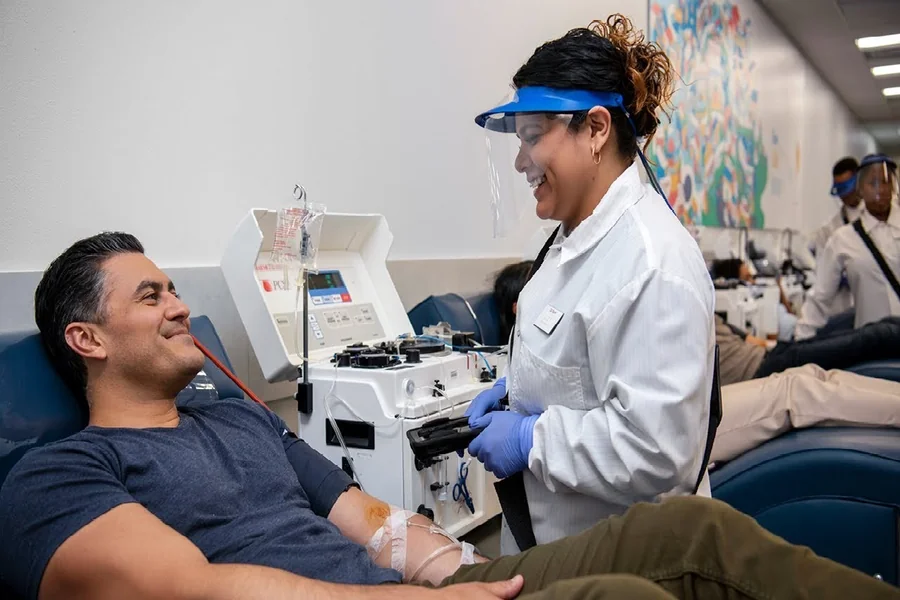
Once cleared, the donation itself can take about 60-90 minutes. During this time, the donor is comfortably situated, and a needle is inserted into the arm to collect plasma. The blood is separated into various components, and the plasma is collected, while the remaining components are safely returned to the donor’s bloodstream. Upon completion, donors are encouraged to relax and hydrate, and they typically receive compensation for their time and efforts. The entire process is designed to be as transparent and reassuring as possible, ensuring a smooth experience from start to finish.
Health Assessments: What Do They Look for?
Health assessments prior to plasma donation are a vital aspect of the process, ensuring both donor safety and the integrity of the collected plasma. These assessments delve deep into various factors including personal medical history, current medications, recent travels, and overall lifestyle choices that may affect eligibility. Qualified staff will conduct interviews and evaluate the answers to mitigate any risks associated with donation.
In addition, routine blood tests are performed to check for infectious diseases and health markers, as these results determine the safety of the deidentified plasma for patient use. This meticulous attention to detail not only enhances donor confidence but is crucial in maintaining the safety standards expected by regulatory authorities. Continuous updates in these evaluations based on the latest medical research reflect the commitment of plasma centers to uphold the highest levels of safety for both donors and recipients alike.
After the Donation: Recovery Tips and Guidelines
Post-donation recovery is an essential part of the overall plasma donation experience. After the donation is complete, donors are advised to take some time to relax in a designated recovery area. It is critical to hydrate appropriately by drinking plenty of water or electrolyte-rich beverages, as this aids in replenishing plasma volume and helps alleviate any sensations of dizziness or fatigue. Additionally, donors should refrain from intensive physical activities for the remainder of the day, allowing their bodies to recuperate effectively.
Some centers provide guidance regarding diet post-donation; donors are encouraged to consume snacks rich in protein and iron, as these nutrients assist in replenishing lost resources. Regular monitoring in the immediate aftermath also ensures that any adverse reactions are swiftly addressed. By following these post-donation guidelines, donors can ensure their swift recovery and a positive experience, making them more likely to return for future donations.
Plasma Donation: Community Engagement and Incentives
How Plasma Centers are Giving Back to San Diego
It is essential for plasma donation centers to actively engage with the communities they serve. Many centers in San Diego implement outreach programs that aim to educate the public about the importance of plasma donation, as well as the vital role it plays in healthcare. Community involvement events foster knowledge sharing and enable companies to establish genuine connections with local residents, thereby destigmatizing donations and encouraging participation.
These initiatives often include school visits, local health fairs, and partnerships with other nonprofits focused on healthcare education. By actively contributing to the community, plasma centers solidify their role not just as facilities for collection, but as essential components of the local health ecosystem that supports educational and health-oriented activities.
Incentives for Donors: Understanding the Compensation Structure
Incentivizing plasma donation is a common practice aimed at encouraging regular contributions while valuing the time and effort of local donors. Most plasma centers provide compensation structures that reward individuals for their contributions based on the frequency of donations. Typically, donors can earn between $20 and $50 per visit, with the potential for bonuses during special events or through referral programs.
Moreover, some centers offer loyalty programs, where consistent donors accumulate points redeemable for gift cards or other rewards. This compensation not only recognizes the significance of the time donors invest but also fosters a sense of appreciation for their commitment to saving lives. As donors feel valued and recognized, they are more likely to continue donating, thereby enhancing the plasma supply available for medical use.
Building a Community of Hope: Events and Awareness Campaigns
San Diego’s plasma donation centers often engage with the community through various events and awareness campaigns aimed at increasing plasma donation participation. These initiatives range from annual appreciation days to themed drives that spotlight specific health issues benefitting from plasma therapies. By partnering with local health organizations and influencers, plasma centers create a supportive network that encourages dialogue around the need for plasma donation.
Awareness campaigns often include social media outreach, educational materials, and special events that gather community members to learn more about the benefits of donation. During these campaigns, testimonials are frequently shared, emphasizing the personal impact that plasma donations have had on patients’ lives. Such storytelling humanizes the statistics and encourages more individuals to participate, as they become aware of how their simple act of kindness could potentially save multiple lives.
In conclusion, plasma donation is an essential, life-saving process that has far-reaching effects, impacting countless lives and medical outcomes in San Diego and beyond. By understanding the process, addressing misconceptions, and fostering community engagement, we pave the way for a brighter future where plasma donation is embraced, valued, and recognized as a cornerstone of health and well-being.
FAQ
Question: How long does the recovery process after plasma donation typically take?
- A: The recovery process can vary among individuals; however, most donors feel back to normal within a few hours after hydration and rest. It’s recommended to avoid intense activities for the remainder of the day.
Question: Can I donate plasma if I have medical conditions or take medication?
- A: Many individuals with certain medical conditions can still donate plasma, provided they meet specific eligibility criteria. It’s important to disclose all medications and health conditions during the health screening process for a proper assessment.
Question: Are there age restrictions for plasma donation?
- A: Most plasma donation centers require donors to be between the ages of 18 and 69 years old to ensure safety and eligibility.
Question: How often can I donate plasma?
- A: Generally, donors are allowed to donate plasma once every 28 days, but individual centers may have specific policies, so it’s advised to check with the local plasma donation center for their guidelines.
Question: What should I wear on the day of my plasma donation?
- A: It is encouraged to wear clothing that allows easy access to your arms, as the donation is typically performed on the inner elbow. Comfortable, loose-fitting attire is often recommended.
Question: What happens to the plasma after it is donated?
- A: Once collected, plasma is processed and tested to ensure safety. It is then separated into various components and can be used for manufacturing life-saving therapies and medications for patients in need.
Question: Are there any foods I should avoid before giving plasma?
- A: It is advisable to avoid heavy meals, alcohol, and caffeine before donating plasma. Instead, donors are encouraged to consume a light, healthy meal and stay hydrated prior to their appointment.
Question: Can I donate plasma if I have a tattoo or piercing?
- A: Yes, individuals with tattoos or piercings can donate plasma, though there may be a waiting period (typically 12 months) after getting them done, depending on the regulations of the donation center. Always check with your local center for specific guidelines.