
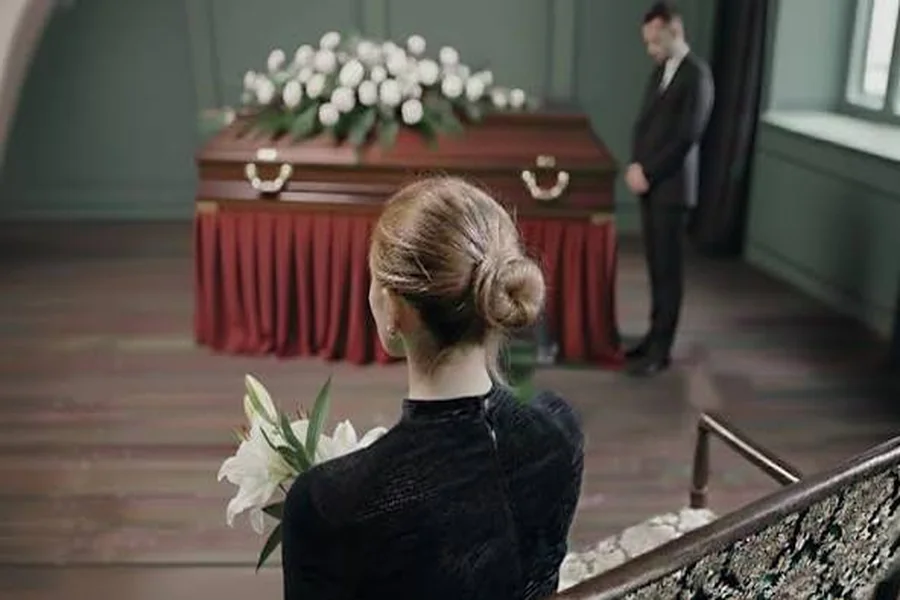
Grief is one of the most universal human experiences, and yet the rituals we use to navigate it are remarkably personal. Across cultures and centuries, communities have found that honoring the dead is not simply about marking an ending — it is about affirming the value of a life and strengthening the bonds between those who remain. From ancient burial rites to modern memorial gardens, the ways we choose to remember our loved ones reveal something profound about who we are and what we hold dear. Understanding the deeper purpose behind these traditions can help families approach the memorial process with greater intention, clarity, and even comfort.
The Psychological Benefits of Memorial Rituals
Grief researchers and mental health professionals have long recognized that rituals play a meaningful role in the healing process. When we participate in a funeral, gather at a graveside, or commission a lasting memorial, we are doing more than following social convention. We are giving structure to an experience that can otherwise feel overwhelming and formless. Rituals create a container for grief, offering a defined moment to acknowledge loss, express emotion, and begin the slow work of moving forward.
The act of gathering with family and friends to honor someone who has passed also reinforces social connection at a time when isolation can feel most tempting. Shared mourning reminds us that we are not alone in our loss, and that the person we loved mattered to others as well. This communal dimension of memorial traditions has been recognized across disciplines, from anthropology to clinical psychology, as a critical component of healthy grieving. Organizations such as the American Psychological Association have consistently highlighted the importance of social support and meaningful ritual in processing loss and building long-term emotional resilience.
The Enduring Power of Physical Memorials
While memorial services provide an immediate space for grief, physical memorials offer something equally important: permanence. A headstone, monument, or marker gives mourners a specific place to return to, a tangible point of connection with someone who is no longer present. This is not a small thing. For many people, having a physical location to visit is an essential part of maintaining a sense of ongoing relationship with the person they have lost.
Well-crafted grave markers serve as more than functional identifiers. They are works of art, historical records, and declarations of love. The inscriptions families choose, the materials they select, and the designs they commission all reflect the unique personality and legacy of the individual being honored. Walking through a historic cemetery, one can read the stories of entire communities across generations — the names, dates, symbols, and epitaphs that speak across time. These markers remind us that every life, however brief or quiet, leaves an impression on the world.
Personalizing Memorials to Reflect a Unique Life
One of the most meaningful trends in contemporary memorial culture is the growing emphasis on personalization. Families today are moving away from generic, one-size-fits-all approaches and toward memorials that genuinely reflect the individual. This might mean incorporating a favorite quote, a symbol of a lifelong passion, a portrait, or a custom design that captures something essential about the person being remembered.
This shift toward personalization is deeply positive. It encourages families to spend time reflecting on who their loved one truly was — their values, their humor, their contributions, their quirks. That reflection itself is a form of grief work, a way of actively honoring a life rather than simply processing its end. A memorial that feels genuinely representative of the person it honors becomes a more powerful source of comfort for those who visit it over the years. It tells a story, and stories are how human beings make meaning.
Materials also play a significant role in personalization. Granite, marble, bronze, and limestone each carry different aesthetic qualities and levels of durability. Some families choose natural stone for its timeless, organic quality. Others prefer the clean lines and lasting detail of polished granite. The choice of material is itself a statement about how a family wishes to remember and present their loved one to the world.
Memorial Traditions Across Cultures
One of the most enriching aspects of exploring memorial traditions is discovering how diverse they are across cultures, while still sharing a common core of love and remembrance. In Mexico, Dia de los Muertos brings families together to celebrate ancestors with food, flowers, and music, transforming grief into joyful reunion. In Japan, the Obon festival honors the spirits of deceased ancestors with lanterns, dancing, and offerings at household altars. In many West African traditions, funerals are vibrant, community-wide celebrations of a life that include music, storytelling, and colorful attire.
Even within Western traditions, there is remarkable variation. Some families prefer quiet, intimate graveside services. Others organize large gatherings that double as celebrations of life, complete with photo slideshows, shared meals, and open-mic tributes. What unites all of these approaches is the fundamental human impulse to say: this person mattered. Their presence shaped us. We will not forget.
Understanding this diversity can be genuinely liberating for families navigating their own memorial choices. There is no single correct way to honor a loved one. The most meaningful memorials are those that feel true to the person being remembered and to the community that loved them.
Creating a Legacy That Lasts for Generations
Perhaps the most enduring gift of a thoughtfully designed memorial is the legacy it creates for future generations. Children and grandchildren who never knew a great-grandparent can still visit a graveside, read an inscription, and feel a sense of connection to someone who shaped their family’s story. Genealogists, historians, and community members all benefit from the careful preservation of memorial records and physical markers.
This long view is worth keeping in mind when families make memorial decisions. The choices made today will stand for decades, even centuries. A well-crafted, durable memorial is not an extravagance — it is an investment in the ongoing story of a family and a community. It ensures that the people we love are not simply mourned but genuinely remembered, their names and stories preserved against the passage of time.
Honoring the dead is, ultimately, one of the most human things we do. It reflects our capacity for love, our need for meaning, and our deep desire to hold onto what matters most. Whether through a simple graveside gathering, a personalized monument, or a living memorial like a planted tree or scholarship fund, the act of remembrance is always an act of love. And love, expressed with care and intention, has a way of enduring far longer than any of us will.


