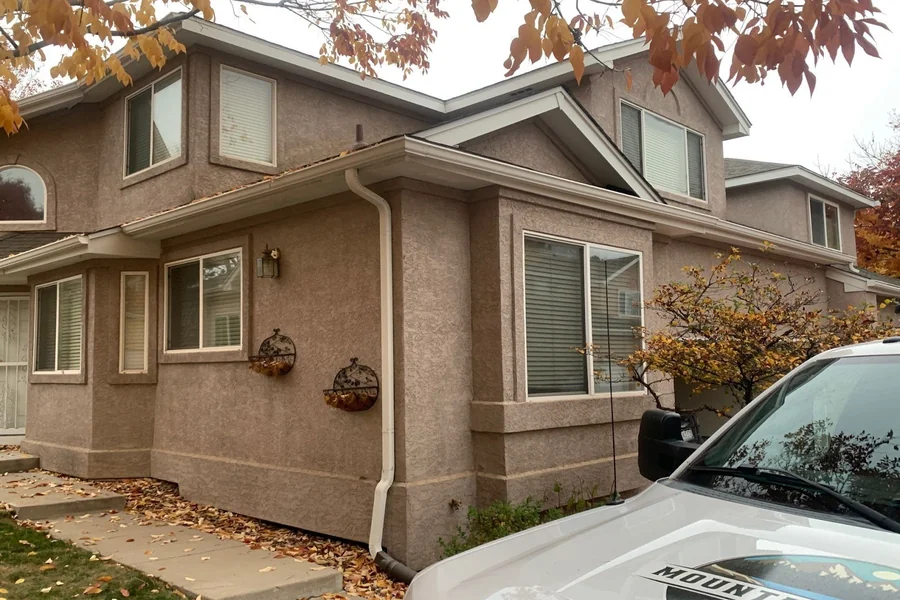
Roof leaks can be a homeowner’s worst nightmare, especially after heavy rains. Water infiltration can cause extensive damage to your home’s structure, lead to mold growth, and necessitate costly repairs. Preventing roof leaks is crucial for maintaining the integrity of your home and safeguarding your investment. Here are comprehensive strategies to prevent roof leaks after heavy rains.
1. Regular Roof Inspections: The First Line of Defense
Regular roof inspections are essential for identifying and addressing potential issues before they become major problems. Ideally, you should inspect your roof at least twice a year—once in the spring and once in the fall. Additionally, inspect your roof after severe weather events.
What to Look For:
- Damaged or Missing Shingles: Cracked, curled, or missing shingles are common entry points for water.
- Granule Loss: Accumulation of granules in gutters indicates shingles nearing the end of their lifespan.
- Flashing Issues: Check the flashing around chimneys, vents, and skylights for signs of damage or wear.
- Sagging or Uneven Areas: These can indicate structural issues or water pooling.
- Moss and Algae Growth: These can trap moisture and cause shingle deterioration.
Professional Inspections:
While DIY inspections are beneficial, professional roof inspections provide a more thorough assessment. Roofers can spot subtle issues that might be missed by an untrained eye and offer recommendations for repairs or maintenance.
Tip:
Keep a roof inspection checklist to ensure you cover all potential problem areas during your inspections.
2. Maintain Gutters and Downspouts: Ensure Proper Water Flow
Clogged gutters and downspouts can cause water to back up and seep under your roof, leading to leaks. Regular maintenance of these components is essential for effective water drainage.
Maintenance Tips:
- Clean Regularly: Remove leaves, twigs, and other debris from gutters and downspouts at least twice a year.
- Check for Damage: Inspect gutters and downspouts for cracks, rust, or loose connections.
- Install Gutter Guards: These can help prevent debris buildup and reduce maintenance efforts.
- Ensure Proper Slope: Gutters should slope towards downspouts to facilitate water flow.
- Extend Downspouts: Ensure downspouts discharge water at least three feet away from your home’s foundation.
Seasonal Considerations:
In areas with heavy rainfall, consider more frequent gutter cleanings, particularly during the fall when leaves are more likely to clog your system.
Tip:
Using a high-pressure hose to clear gutters can be effective, but be cautious not to damage the gutters in the process.
3. Address Roof Ventilation: Prevent Moisture Build-Up
Proper roof ventilation is crucial for preventing moisture buildup that can lead to leaks. Good ventilation allows heat and moisture to escape, reducing the risk of condensation and subsequent water damage.
Ventilation Components:
- Ridge Vents: Installed along the roof’s ridge, these vents allow warm, moist air to escape.
- Soffit Vents: Located under the eaves, these vents let fresh air into the attic.
- Gable Vents: Positioned on the gable ends of the house, they help with cross-ventilation.
- Attic Fans: These can help expel hot air and maintain a balanced temperature.
Signs of Poor Ventilation:
- Condensation in Attic: Moisture on the underside of the roof deck or rafters.
- Warped Wood: Structural elements may warp or rot due to excess moisture.
- Ice Dams: In colder climates, poor ventilation can lead to ice dams, which can cause leaks when they melt.
Tip:
Consult a professional to evaluate your roof’s ventilation system and make necessary adjustments for optimal airflow.
4. Trim Overhanging Branches: Reduce Debris and Potential Damage
Trees provide shade and aesthetic value but can also pose a risk to your roof. Overhanging branches can drop leaves, twigs, and other debris onto your roof, clogging gutters and encouraging moss growth. They can also cause physical damage during storms.
Trimming Guidelines:
- Safe Distance: Keep branches at least 10 feet away from your roof to prevent debris accumulation.
- Regular Pruning: Trim trees regularly to maintain a safe distance and reduce the risk of falling branches.
- Professional Services: For large trees or hard-to-reach branches, hire a professional arborist to ensure safe and effective pruning.
Benefits:
- Reduce Debris: Less organic material on your roof and in your gutters.
- Prevent Damage: Minimize the risk of branches breaking and damaging your roof during storms.
- Improve Roof Longevity: Less debris and physical damage can extend the life of your roof.
Tip:
Regularly inspect trees for signs of disease or instability that could pose a risk to your roof.
5. Ensure Proper Attic Insulation: Protect Against Ice Dams
Inadequate attic insulation can lead to the formation of ice dams in colder climates. Ice dams occur when heat escapes through the roof, melting snow that refreezes at the roof’s edge, preventing proper drainage and causing water to back up under the shingles.
Insulation Tips:
- Adequate R-Value: Ensure your attic insulation meets or exceeds local building codes for the R-value, which measures insulation’s effectiveness.
- Seal Gaps: Use caulk or spray foam to seal gaps and prevent heat loss around attic penetrations.
- Install Insulation Baffles: These maintain airflow from the soffit vents while keeping insulation away from the roof deck.
Benefits:
- Energy Efficiency: Proper insulation reduces heat loss, lowering energy bills.
- Prevent Ice Dams: Adequate insulation helps maintain a consistent roof temperature, preventing ice dam formation.
- Comfort: Improved insulation enhances overall home comfort by maintaining a stable indoor temperature.
Tip:
Combining proper insulation with effective ventilation maximizes the benefits and prevents both heat loss and moisture buildup.
6. Repair and Replace Damaged Shingles Promptly
Damaged or missing shingles are a direct pathway for water to enter your home. Addressing shingle damage promptly is critical for preventing leaks.
Repair Tips:
- Immediate Replacement: Replace any missing shingles immediately to maintain roof integrity.
- Fix Minor Damage: Use roofing cement or sealant to repair small cracks or holes in shingles.
- Regular Maintenance: Regularly inspect shingles and perform minor repairs as needed to extend the life of your roof.
Professional Help:
For extensive damage or if you’re unsure about performing repairs yourself, hire a professional roofer. They can ensure repairs are done correctly and recommend additional maintenance if necessary.
Tip:
Keep spare shingles on hand for quick repairs, especially during storm seasons.
7. Install a Waterproof Membrane: Extra Layer of Protection
A waterproof membrane, also known as an underlayment, provides an additional layer of protection between your shingles and roof deck. This can be particularly beneficial in areas prone to heavy rain and snow.
Benefits:
- Enhanced Protection: Prevents water from seeping into the roof deck if shingles are damaged.
- Ice and Water Shield: Especially useful in preventing leaks from ice dams.
- Longevity: Extends the overall lifespan of your roof by providing extra protection.
Installation:
- During Replacement: Install a waterproof membrane when replacing your roof.
- Partial Installation: For areas most prone to leaks, such as valleys and around chimneys, consider installing a waterproof membrane even if you’re not replacing the entire roof.
Tip:
Discuss membrane options with your roofer to choose the best product for your climate and roof type.
8. Keep Roof Valleys Clear: Prevent Water Pooling
Roof valleys, where two roof slopes meet, are particularly vulnerable to water pooling and leaks. Ensuring these areas are clear and in good condition is crucial for preventing leaks.
Maintenance Tips:
- Regular Cleaning: Remove debris from roof valleys to ensure proper water flow.
- Inspect Flashing: Check the flashing in roof valleys for signs of wear or damage and repair as needed.
- Replace Damaged Shingles: Promptly replace any shingles in roof valleys that show signs of damage.
Professional Help:
Have a professional roofer inspect and maintain roof valleys during regular inspections. They can ensure these critical areas are properly protected.
Tip:
Consider installing metal flashing in roof valleys for added durability and water resistance.
Conclusion: Proactive Measures for a Leak-Free Roof
Preventing roof leaks after heavy rains requires a proactive approach to roof maintenance and care. Here’s a quick summary of the eight strategies discussed:
- Regular Roof Inspections: Identify and address issues before they become major problems.
- Maintain Gutters and Downspouts: Ensure proper water flow away from your roof and home.
- Address Roof Ventilation: Prevent moisture buildup with adequate ventilation.
- Trim Overhanging Branches: Reduce debris and potential damage from nearby trees.
- Ensure Proper Attic Insulation: Protect against ice dams and improve energy efficiency.
- Repair and Replace Damaged Shingles: Maintain roof integrity by addressing shingle damage promptly.
- Install a Waterproof Membrane: Add an extra layer of protection between shingles and roof deck.
- Keep Roof Valleys Clear: Prevent water pooling and ensure proper drainage.
Additional Tips:
- Seasonal Preparation: Perform extra maintenance before and after severe weather seasons.
- Emergency Kit: Keep a roof repair kit on hand for quick fixes during storms.
- Professional Assistance: Don’t hesitate to hire a professional for inspections, repairs, and maintenance tasks beyond your skill level.
By following these strategies, you can significantly reduce the risk of roof leaks and maintain a safe, dry home regardless of the weather conditions. Proactive maintenance not only protects your investment but also ensures the longevity and durability of your roof. Get more information by contacting a professional roofing contractor.