Plasma donation has quietly become one of the most influential contributors to modern healthcare. While it rarely makes headlines, plasma is used to create life saving therapies for people with immune disorders, bleeding conditions, and chronic illnesses that depend on consistent treatment. In recent years, awareness around plasma collection has grown as more donors realize how important their contributions are and how plasma centers operate behind the scenes to meet a rising global demand. For individuals exploring plasma centers in New Jersey or learning about plasma donation for the first time, understanding how these facilities work provides valuable insight into a vital part of the medical system.
Plasma is the liquid portion of human blood. It carries proteins, antibodies, and nutrients that support essential functions. When separated through a process called plasmapheresis, this fluid becomes the raw material used to create specialized therapies for patients who often have no alternative treatment options. That makes plasma donation unique. Unlike standard blood donation, plasma can be donated more frequently because the blood cells are returned to the donor. This helps maintain supply, especially since plasma based medications require significant quantities to produce even a single treatment.
Why Plasma is Essential in Modern Healthcare
Plasma contains key components that cannot be manufactured synthetically. These include clotting factors, immunoglobulins, and albumin, all of which play specific roles in stabilizing patients with serious conditions. Individuals with hemophilia rely on plasma based therapies to manage bleeding. Patients with immune deficiencies depend on immunoglobulin infusions to protect them from infections. Burn victims and trauma patients sometimes receive albumin to maintain blood volume and support recovery.
Each of these therapies is the result of complex processing. Plasma collected from donors undergoes rigorous testing and purification before being transformed into safe, reliable medications. This long production cycle means plasma centers must maintain a steady flow of donations to support ongoing patient care. Because demand continues to grow worldwide, these centers have become essential partners in public health.
How Plasma Donation Works from Start to Finish
The donation process is designed to be safe, efficient, and comfortable. Donors begin by completing a health screening and medical questionnaire. This ensures they are healthy enough to donate and that their plasma meets the quality standards required for processing. Trained staff members then guide donors through a brief checkup, which includes temperature, blood pressure, and protein level assessments.
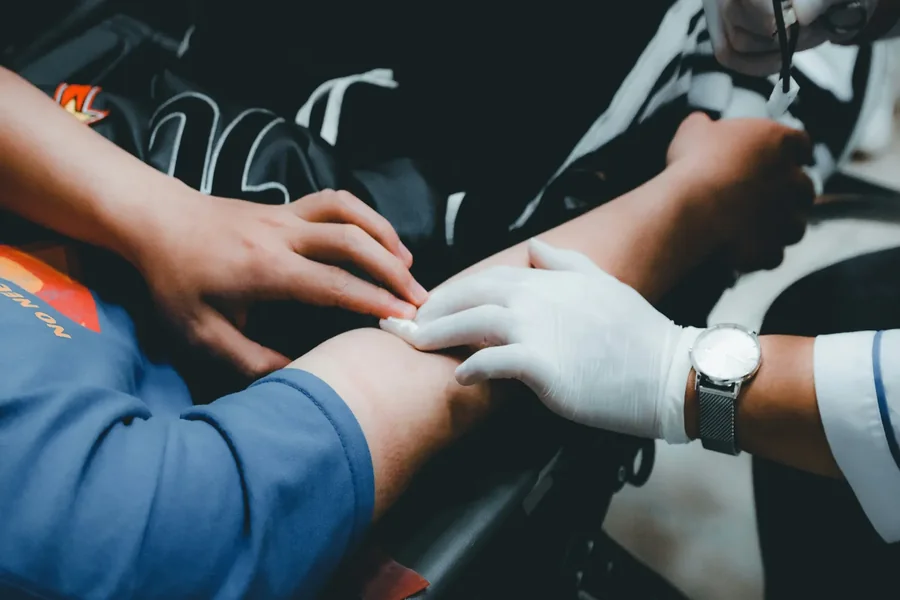
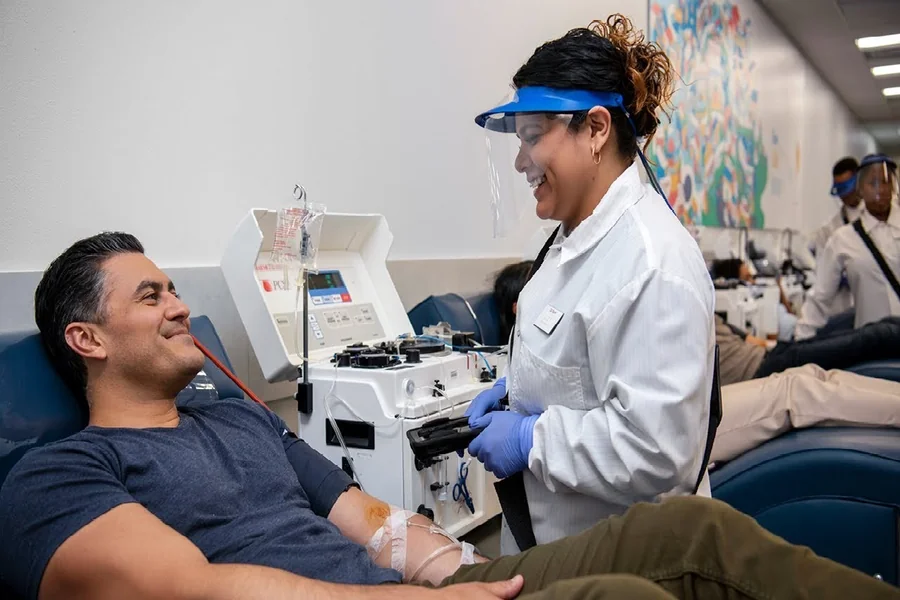
During the donation itself, blood is drawn into a specialized machine that separates the plasma and returns the remaining components back to the donor. This cycle repeats until the required amount of plasma is collected. The process takes longer than whole blood donation, usually around an hour, but most donors find it manageable and routine.
Plasma centers invest significant effort into maintaining clean, comfortable environments with strong oversight. Every donation follows strict safety guidelines and regulatory standards. After collection, plasma is frozen, tested, and shipped to laboratories where it begins its path toward becoming medication.
The Growing Role of Plasma Centers in Local Communities
Plasma centers often function as important hubs within their communities. They support healthcare, create employment opportunities, and provide donors with a structured way to contribute meaningfully to public health. People visit these centers regularly, sometimes forming long term relationships with the staff and other donors. Even though the mission of plasma centers is rooted in medical science, the day to day environment often feels surprisingly personal.
Plasma centers in New Jersey, for example, serve a diverse population. Donors come from all backgrounds and all age groups within the eligible range. Many appreciate the ability to support patients while receiving compensation for their time, which helps encourage consistent participation. For others, the motivation is more personal because they know someone who depends on plasma derived therapies.
Safety Standards That Shape the Plasma Donation Process
Safety is one of the most important priorities in plasma collection. Regulations require centers to follow strict procedures at every step. Staff members are trained extensively in sterile technique, donor monitoring, and equipment operation. Machines used in plasmapheresis are inspected regularly. Single use collection kits ensure that donors are never exposed to reused materials.
In addition to the on site protocols, every unit of plasma undergoes laboratory testing to screen for infectious diseases. If any irregularities are detected, the plasma is discarded and donors are notified so they can take steps to protect their health. These layers of supervision create an environment where donors can participate with confidence and where plasma destined for medical use is held to the highest standards.
Why People Choose to Donate Plasma Regularly
For many donors, the decision to donate begins with a desire to help others. Plasma therapies are essential for patients with rare and chronic conditions, and knowing that a simple donation can support someone’s treatment is a powerful motivator. Some donors are drawn by the structure. Appointments are easy to schedule and the routine becomes part of their weekly or monthly rhythm.
Compensation also plays a role. Plasma donation requires more time than a typical blood donation, so centers offer payment as recognition for that commitment. This incentive encourages regular visits, which helps maintain a reliable supply for manufacturers and patients. Donors often describe the process as rewarding because it blends personal benefit with a meaningful contribution to healthcare.
How Plasma Centers Are Evolving to Meet Future Needs
The future of plasma donation will likely include expanded facilities, improved technologies, and increased efficiency. As medical research advances, new plasma derived therapies continue to emerge. These innovative treatments broaden the range of conditions that plasma can support and create even greater need for high quality donations.
Many centers are adopting modern equipment that shortens donation times or increases comfort. Digital scheduling tools make it easier for donors to manage appointments. Education about the importance of plasma is also becoming more widespread, helping the public understand why these centers play such a vital role in healthcare.
In regions where demand is particularly strong, including areas served by plasma centers in New Jersey, the evolution of plasma donation is driven by both scientific progress and community participation. The more people learn about how plasma therapies transform lives, the more they appreciate the importance of contributing to the collective effort.
The Impact of Plasma Donation on Everyday Life
The true value of plasma donation becomes clear when you look at its impact on real people. Patients who rely on plasma therapies often face lifelong conditions that require consistent care. Without plasma derived medications, many would struggle with serious complications, limited mobility, or increased vulnerability to infection. Plasma keeps their treatments stable and accessible.
Families describe plasma based treatments as life changing. Parents of children with immune disorders talk about watching their kids regain strength and confidence. Adults with chronic illnesses often share how plasma therapies allow them to maintain their independence, pursue careers, and live active lives. These stories give plasma donation a human dimension that statistics alone cannot express.
Final Thoughts, Why Plasma Centers Matter More Than Ever
Plasma donation centers play a critical role in supporting healthcare systems and improving the lives of thousands of patients who depend on plasma derived therapies. These facilities operate with precision, care, and a commitment to safety that allows donors to contribute confidently. As research continues to uncover new ways that plasma can be used in medicine, the importance of keeping these centers active and well supported becomes even clearer.
Whether someone is exploring plasma donation for the first time or is already familiar with the process, understanding the value of plasma centers ensures they appreciate how essential their contributions can be. Each donation supports a chain of events that leads to healing, stability, and the possibility of a brighter future for patients who rely on these treatments.