Introduction
Hybrid vehicles are no longer a futuristic concept but a present-day reality that bridges the gap between traditional gas-powered driving and a fully electric future. By pairing internal combustion engines with electric motors, hybrids create a unique synergy that delivers improved fuel efficiency, fewer emissions, and a fresh approach to everyday driving. For those prioritizing eco-friendliness, cost savings, and innovative design, hybrids are a compelling option today. To ensure your hybrid stays in peak condition, consider exploring Atlanta Toyota service for expert care and maintenance options in your area.
From their inception as niche innovations to their current status as mainstream choices, hybrid cars transform the automotive landscape and influence how drivers interact with their vehicles. With advanced engineering, adaptive features, and evolving technology, hybrids are shaping local markets and global automotive trends. Their popularity signals a growing interest in practical, efficient, and environmentally friendly transportation.
Another critical step for buyers and enthusiasts is to find a dealership that understands the needs of hybrid owners. Suppose you’re seeking guidance or shopping for your next vehicle. In that case, finding a dedicated Toyota dealership near me that offers a knowledgeable staff and a wide selection of models tailored to modern drivers is helpful.
Evolution of Hybrid Technology
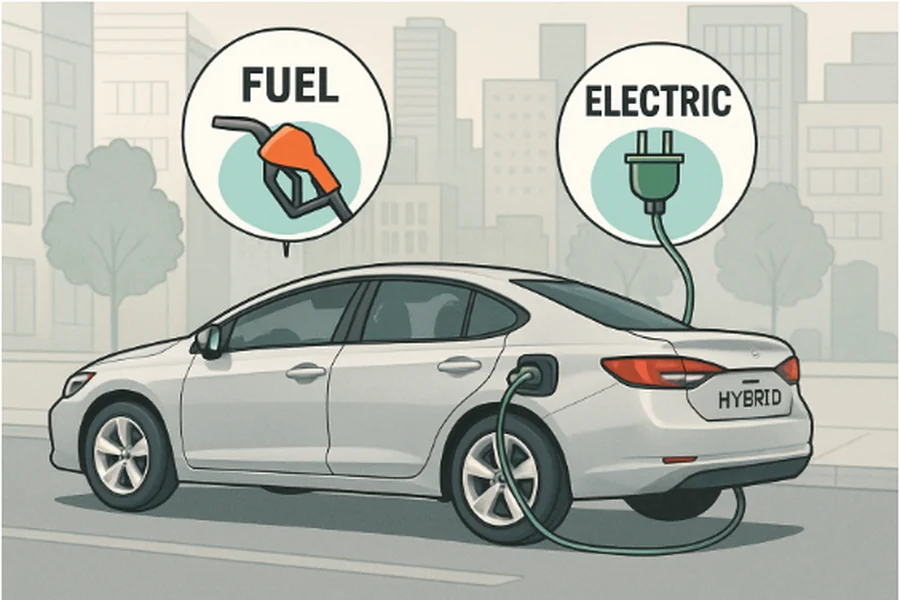
The journey of hybrid technology offers a snapshot of automotive innovation. The hybrid powertrain concept was initially adopted in models like the early Toyota Prius, a car that introduced the mainstream market to pairing electric motors with gasoline engines. Over the past two decades, this technology has rapidly matured. Automakers now offer an expanded roster of hybrids, including mild hybrids that use electric motors to assist but not drive the wheels, conventional hybrids, and plug-in hybrids with larger batteries and electric-only ranges. This evolution has set the stage for nearly every automaker to add hybrids to their lineups, accommodating commuters, families, and enthusiasts alike.
Enhanced Fuel Efficiency and Performance
One of the main attractions of hybrid vehicles is their superior fuel economy compared to standard gas-only cars. Thanks to the electric motor’s ability to power the vehicle at lower speeds and during stops, hybrids reduce gasoline consumption and cut costs at the pump. In urban settings with frequent stop-and-go traffic, the efficiencies are especially noticeable. The electric motor also delivers instant torque, making hybrids feel quick and responsive off the line—an experience city drivers and commuters appreciate.
Hybrids can achieve up to 30% higher fuel economy or more than their conventional counterparts, depending on the driving cycle and model. This efficiency is suitable for your wallet and provides a practical benefit for those seeking reliable transportation with fewer stops at the gas station. For a deeper look at efficiency numbers and comparisons by brand, the Consumer Reports hybrid vehicle guide provides up-to-date, unbiased reviews of the latest hybrid cars.
Adopting hybrid cars is crucial for cleaner air and a healthier planet. Thanks mainly to electric propulsion and regenerative braking, hybrids emit significantly less carbon dioxide and other harmful pollutants than conventional vehicles. These benefits are amplified in cities, where lower emissions contribute to reduced smog and healthier urban environments. Many governments offer incentives or tax credits to drivers who choose hybrids, encouraging this migration toward sustainable mobility.
Driving Experience and Behavior
Switching to a hybrid doesn’t just change what’s under the hood—it transforms how people drive. Hybrid owners often adopt gentler acceleration and braking habits, encouraged by features like regenerative braking systems, efficiency displays, and eco-driving modes. These systems reward smoother, more deliberate driving and help drivers maximize fuel savings. The result is a calmer, more relaxed in-car environment, less wear-and-tear on vehicle components, and better long-term reliability. Suppose you’d like to explore how electric and hybrid vehicles change driver behavior on a broader scale. In that case, Reuters provides a perspective on the hybrid car market and evolving driving styles.
Market Trends and Consumer Adoption
Once seen as niche products, hybrid vehicles have earned a mainstream following. Rising fuel prices, increased awareness about carbon footprints, and significant advances in automotive technology have led to surging demand for hybrids in North America and beyond. Automakers now compete fiercely to offer compelling hybrid options across sedans, SUVs, and trucks. In 2023, several major manufacturers announced expanded hybrid lineups, while global hybrid vehicle sales continued to climb.
Technological Advancements
The modern hybrid isn’t just efficient—it’s smart. The latest models feature advanced driver assistance systems (ADAS), including adaptive cruise control, lane-keeping assist, and blind-spot monitoring. Infotainment systems rival tech in luxury vehicles, offering seamless smartphone integration and intuitive interfaces. Improvements in lithium-ion battery technology have increased both energy density and lifecycle, enabling longer electric-only driving range and faster charging. These innovations make hybrids safer, more comfortable, and easier to live with than ever before.
Future Outlook
Hybrid vehicles are expected to be key in transitioning toward a fully electrified transportation future. Hybrids offer the best blend of familiar driving experiences and new technology for many drivers, providing range flexibility and peace of mind amid growing EV infrastructure. Industry analysts predict continued investment in hybrid and plug-in hybrid platforms as automakers strive to meet increasingly stringent emissions targets and evolving consumer preferences. As advances continue, hybrids are poised to remain integral to the automotive world for years.