Before trying any therapy, it’s important to understand the treatment process completely. Stem cell therapy is a new treatment, which makes it even more important to know exactly what to expect at a stem cell clinic.
Keep reading while we break down the entire process of stem cell therapy, from pre-treatment examinations to post-treatment care and follow-up assessments.
Step 1: Initial Examination and Consultation
The first step in receiving stem cell therapy is having a consultation with the doctor. Clinics like Swiss Medica offer a thorough pre-treatment evaluation that allows their doctors to determine if you are suitable for stem cell therapy.
The doctor will assess the patient’s medical history and current medical conditions to determine if stem cell therapy would be safe and effective. During the consultation, the doctor can answer any questions and discuss all aspects of the treatment, including stem cell treatment price.
Step 2: Pre-Treatment Preparations
Once a patient is approved for stem cell therapy and accepts the stem cell treatment cost the doctor can determine the best course of treatment, including the number of stem cells to use and the number of stem cell injections needed.
When preparing for treatment, patients should eat healthy, exercise regularly and manage their stress. All of these measures support the overall health of the patient, making stem cell therapy more effective. It’s also important to manage expectations. Stem cell therapy has incredible benefits, but it’s not a magic pill.
Step 3: Stem Cell Extraction
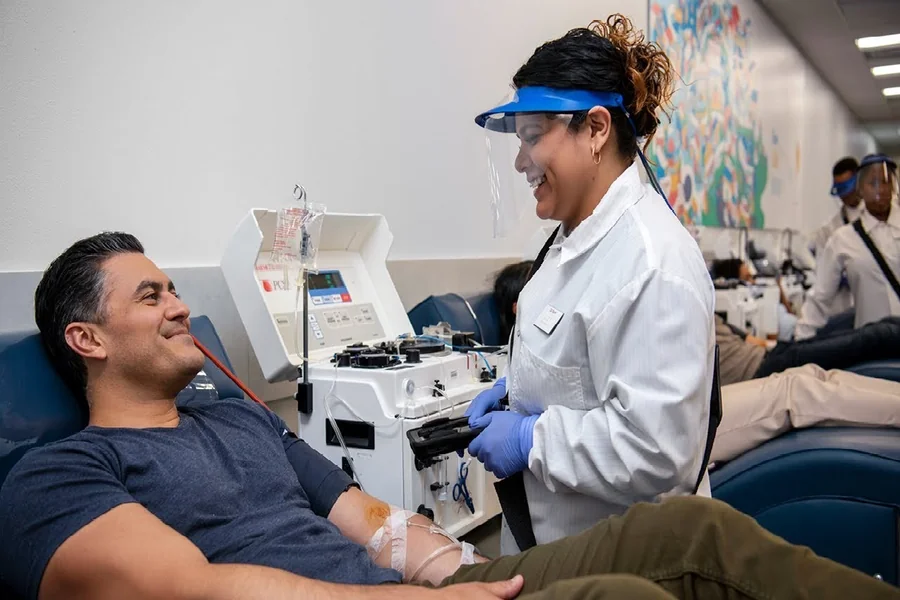
Stem cell extraction always takes place in a sterile environment. Clinics like Swiss Medica use stem cells extracted from the blood an umbilical cord, or tissue of a placenta. This is an ethical source of stem cells since the placenta and umbilical are typically discarded after birth.
Step 4: Stem Cell Processing and Cultivation
Next, the stem cells are processed in a lab. The desired cells are separated from other cells through a filtration process. The cells are also put through rigorous testing to determine safety and viability.
Then, stem cells are added to a cultured medium, allowing them to divide and grow into a mass. In 3-4 weeks, there will be enough stem cells for a treatment dose.
Step 5: Stem Cell Injection and Administration
Stem cell injection is a straightforward process. Patients receive stem cells either through a traditional injection or IV drip and can usually continue with their day as normal after receiving the treatment.

Once in the body, stem cells will seek out the site of injured tissues and perform various actions, such as stimulating the growth of new cells, modulating immune responses and promoting the growth of new blood vessels. All of these actions help regenerate damaged cells, thereby reducing a patient’s symptoms.
Some clinics also use exosomes in their treatment. Exosomes are microvesicles of stem cells that transport substances throughout the body. Clinics use exosomes because it’s easier for exosomes to move around the body and exert the therapeutic benefits of stem cells. They are also less likely to trigger an immune response.
Step 6: Post-Treatment Care and Monitoring
Post-treatment care is essential in ensuring the safety and efficacy of stem cell treatment. A stem cells clinic will monitor patients for any side effects following treatment and assess treatment outcomes.
To improve the effectiveness of the treatment, post-treatment care should include other therapies, such as physiotherapy, neurorehabilitation therapy or ultraviolet blood irradiation.
Step 7: Long-term Follow-Up and Assessment
Patients can see improvements in as little as a week, but it may take months to see the full effects of the therapy. Therefore, a long-term assessment is crucial.
In a long-term follow-up, doctors meet with the patient to assess the outcomes of the treatment. The doctor can then decide whether an additional injection is necessary, or if other supportive therapies could help in recovery.
In conclusion
Before starting stem cell therapy, patients must undergo a pre-treatment consultation where doctors check their medical history to identify any contraindications. Once the doctors determine a patient is suitable for treatment, they will develop a treatment plan and provide a stem cell treatment price.
Stem cells are typically taken from the umbilical cord or placenta, then cultured in a lab and tested for sterility, viability and purity. Stem cells are introduced through an IV or simple injection. Post treatment care can help doctors determine any necessary supportive therapies and or whether more cell injections are needed.