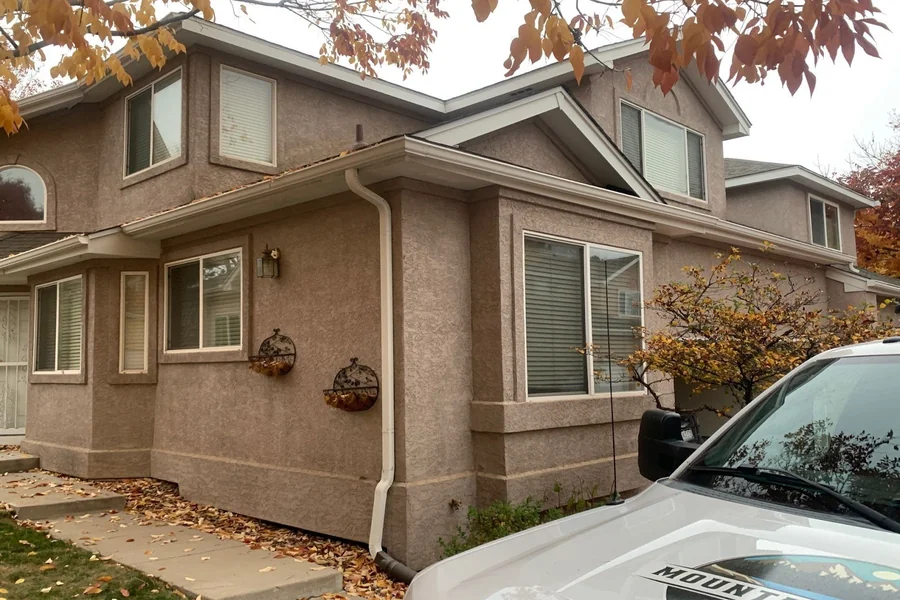
Heating and cooling systems are essential for maintaining a comfortable and livable home but require expert care to function optimally. While many homeowners only think about their HVAC systems when they stop working, professional maintenance is key to ensuring reliability, efficiency, and longevity. Heating and cooling professionals provide a range of essential services that go beyond simple repairs, helping homeowners create a healthier and more energy-efficient living space.
Enhancing Indoor Air Quality
One of the less obvious but crucial roles of HVAC professionals is improving indoor air quality. Heating and cooling systems circulate air throughout the home, and if they aren’t properly maintained, they can spread dust, allergens, and even mold. HVAC technicians clean and inspect air ducts, change filters, and recommend air purifiers or humidity control solutions when needed. These steps ensure that the air inside the home remains fresh and safe for residents, particularly those with allergies or respiratory conditions.Heating and cooling systems require expert care to function efficiently, which is why consulting with heating and cooling specialists ensures your home remains comfortable, energy-efficient, and safe throughout the year.
Ensuring Proper System Sizing and Installation
A properly sized HVAC system is essential for efficiency and performance. Many homeowners may not realize that an oversized system can cause frequent cycling, leading to uneven temperatures and higher energy costs. On the other hand, an undersized system will struggle to maintain the desired temperature, putting unnecessary strain on its components. Heating and cooling professionals assess the specific needs of a home before installing or recommending a new system, ensuring optimal performance and long-term energy savings.
Seasonal Preparation and System Adjustments
Heating and cooling professionals help homeowners transition smoothly between seasons by preparing HVAC systems for changing weather conditions. Before winter arrives, technicians ensure that heating systems are ready to handle colder temperatures, checking components like heat exchangers, burners, and ignition systems. In the spring, they prepare air conditioning units by inspecting refrigerant levels, cleaning condenser coils, and verifying thermostat accuracy. These seasonal adjustments help prevent unexpected failures during peak usage periods.
Smart Home Integration and Modern Upgrades
Many homeowners are upgrading to smart thermostats and automated climate control systems as technology advances. HVAC professionals assist with installing and configuring these modern solutions, ensuring they integrate seamlessly with existing heating and cooling systems. A smart thermostat can help homeowners optimize energy use by learning their habits and adjusting temperatures accordingly. Technicians also provide guidance on zoning systems, allowing different home parts to be heated or cooled independently, increasing comfort and efficiency.
Safety Inspections and Carbon Monoxide Prevention
Beyond comfort and efficiency, heating and cooling professionals play a critical role in home safety. Gas furnaces, boilers, and other heating systems can pose risks if they develop leaks or ventilation problems. Regular inspections help detect potential carbon monoxide leaks, gas line issues, or electrical hazards before they become dangerous. Technicians also ensure proper ventilation, reducing the risk of harmful fumes accumulating inside the home.
Conclusion
Heating and cooling professionals contribute far more to home maintenance than just fixing broken systems. From improving air quality and safety to optimizing system efficiency and integrating modern technology, their expertise helps homeowners create a comfortable, cost-effective, and healthy living environment. Regular professional maintenance ensures that heating and cooling systems continue operating at their best, preventing major issues and extending their lifespan.