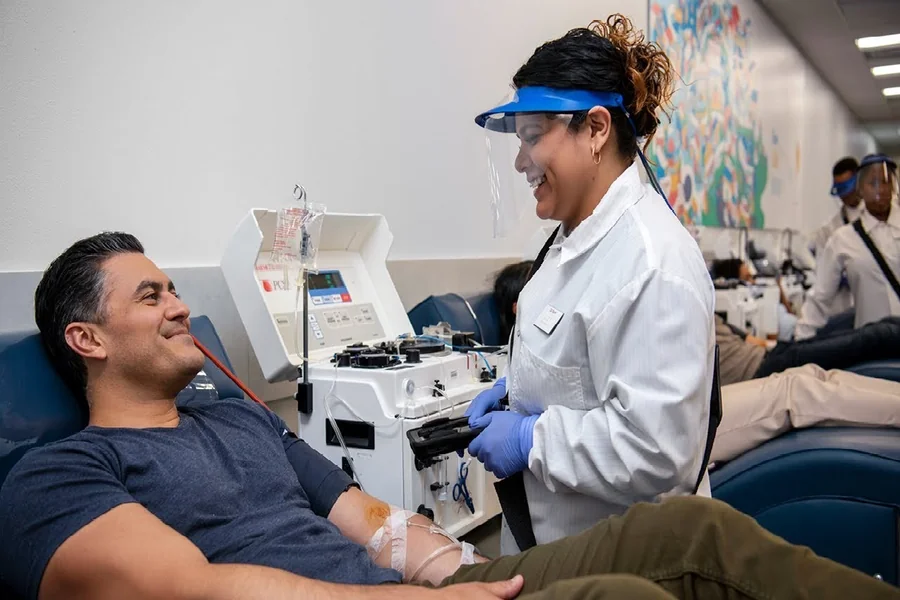
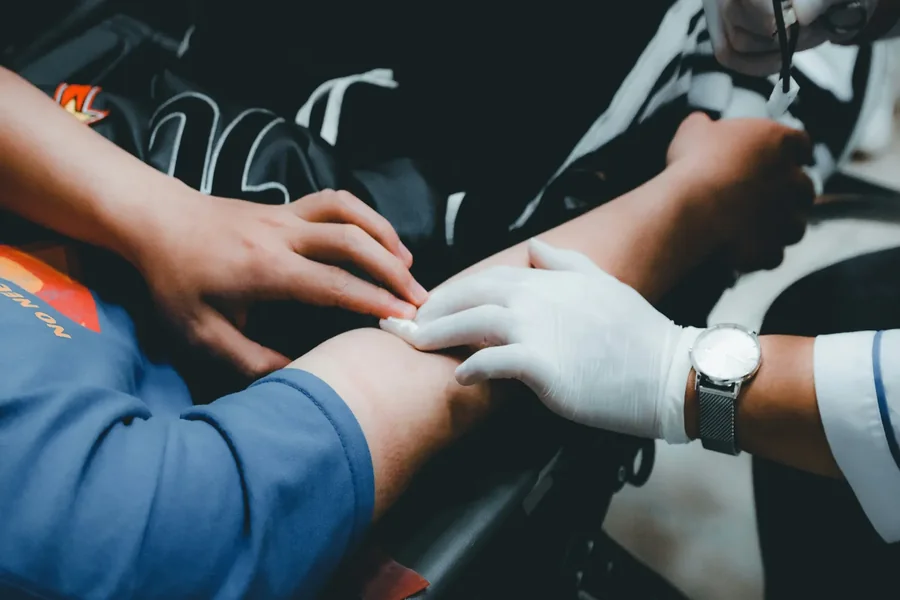
Health screening generally involves specialized tests, measurements, and questions that assess various aspects of your health. Through these screenings, your doctor can identify risks or early signs of health problems before symptoms appear.
Early detection of conditions is preferred as it makes it easier to manage potential health issues effectively. It also makes maintaining long-term wellness easier.
So, for many people, paying for a health screening package in Singapore is not just a formality. Instead, it is a key step in preventing serious illnesses.
On this page, we will show you the groups of people who need health screening. Importantly, we will touch on how to prepare for one, and what types of questions are typically asked during a screening test. Let’s begin!
Who Needs Health Screening?
Health screenings are usually tailored based on specific risk factors. With this in mind, many people frequently ask; who needs health screening. Here’s the answer;
The person who needs health screening is anyone who wants to stay informed about their physical condition or detect early signs of disease. Health screening is particularly important for people with a family history of chronic diseases like heart disease, diabetes, or certain cancers.
These screenings allow for the detection of potential issues early when they are most treatable. They are also highly recommended for adults over the age of 40, as health risks tend to increase with age.
Young adults can benefit as well. This is especially true if they have lifestyle risk factors like smoking, high stress levels, or poor diet. Regular check-ups help monitor blood pressure, cholesterol levels, and blood sugar, all of which are important indicators of overall health.
For women, screenings often include tests specific to reproductive health and early detection of conditions like osteoporosis and breast cancer. In Singapore, many medical providers emphasize preventative care through regular health screenings to reduce the burden of chronic diseases.
How Do I Prepare for a Screening Test?
If you’re keen on ensuring that your test results are accurate and meaningful, you will want to effectively prepare for your health screening. This shouldn’t be difficult;
Proper health screening usually begins with a consultation where your doctor explains what tests are needed. The best tests for you will depend on factors like your age, risk factors, and family history. You should ask your provider for detailed instructions on any required fasting or medication adjustments before your screening.
In some cases, you might be advised to avoid certain foods, drinks, or supplements that could affect the results of your blood tests or imaging. Here is a summary of the key steps to prepare for a health screening:
- Follow Pre-Test Instructions: Before your screening, your doctor may instruct you to avoid eating or drinking for a specific period. Please, follow these guidelines precisely to ensure your test results are not skewed by external factors. Importantly, be sure to read all provided instructions and clarify any doubts with your provider.
- Make your Health Information Readily Available: Take time to list your current medications, supplements, and any recent health issues or concerns you may have experienced. This preparation is vital because it allows the screening team to have a complete view of your health background. It also helps identify potential areas that might need extra attention during your screening.
- Wear Comfortable Clothing and Bring Essentials: Choose loose and comfortable clothing for your appointment. This is important because some tests may require you to move freely or change into a gown. It may also help to bring along your identification and any relevant medical records to speed up the process.
What Questions Are Asked in a Screening Test?
During a health screening, you can expect a thorough review of your medical history and your current lifestyle. Any questions that will be asked are to help your provider understand not only your physical condition but also habits that could impact your well-being. Here are some common questions that might be asked during your health screening:
· Medical History and Family Background
Your doctor may ask about any previous illnesses, surgeries, or chronic conditions you have had. They often inquire if you have a family history of diseases like heart disease, diabetes, cancer, or high blood pressure.
These questions are critical because genetic factors can significantly influence your risk profile. Your responses will help the provider to recommend appropriate tests and preventive measures tailored to your background.
· Lifestyle and Daily Habits
Expect also to be asked about your daily routines, including your diet, physical activity, and sleep patterns. The answers you will give here will greatly influence your screening process.
Your provider might ask about the kinds of foods you typically consume and whether you exercise regularly. They may also ask about smoking, alcohol consumption, and stress levels.
Answer these questions effectively to help create a comprehensive picture of your lifestyle. Your answers will also help the provider know areas where improvements might reduce your health risks.
· Symptoms and Recent Changes
You will likely be asked if you have experienced any unusual symptoms recently. For example you may be asked if you experience fatigue, unexplained weight loss, or pain.
This section may also cover any changes in your body, like new lumps, changes in skin appearance, or digestive issues, for example. Again, please be keen to provide thorough details about your symptoms as your doctor needs them to identify early signs of potential health issues.
Closing Thoughts
Health screenings are not only essential for maintaining long-term wellness. As you have seen, they also help catch potential issues early as they provide a comprehensive review of your health.
This is aided by detailed questions, thorough tests, and personal consultations. Prepare properly and answer questions honestly to help provider offer you the best possible care.
For personalized care and expert advice on health screening in Singapore, why not contact our specialized clinic today.